
Whether you drive a Haval H6 commuter, a Tank 300 weekender, or a Wingle/Steed workhorse, the right 12‑V battery means confident starts, fewer electrical gremlins, and maximum life from your start‑stop system. Below you’ll find what to buy (EFB vs AGM), fitment tips by popular GWM/Haval models, how to install and maintain, and curated Amazon searches – for example H6 / Group 48 (H6) AGM, 55D23L EFB, or N70 (4×4) heavy‑duty.
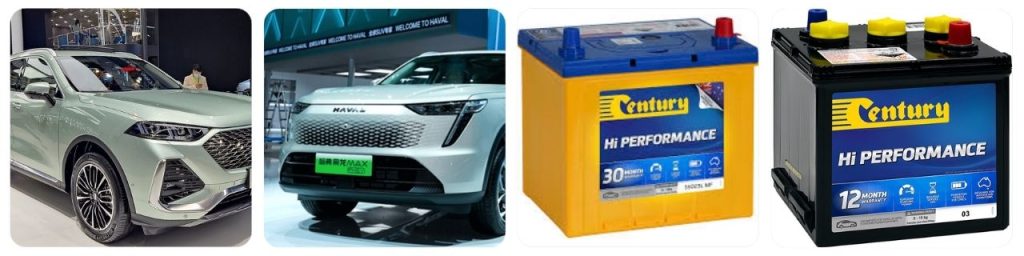
Table of Contents
- Quick Picks for GWM Owners (By Use Case)
- Top Battery Types for Great Wall Motors (What to Choose & Why)
- GWM / Haval Model‑Specific Buying Tips
- GWM Battery Fitment Cheat Sheet (Most‑Common Sizes)
- Spec Targets: CCA, RC, and Warranty
- Best Car Battery Brands for GWM & Where‑to‑Buy
- GWM Car Battery Installation Guide (DIY or Shop)
- Battery Maintenance & Longevity
- Signs You Need a New Battery
- Contact Great Wall Motors Customer Service & Support
Quick Picks for GWM Owners (By Use Case)
- Daily driver (no start‑stop): Quality Flooded/Lead‑Acid or EFB with solid Reserve Capacity (RC). Try JIS 55D23L or Group 35. ~$120–$220 (Flooded), $160–$260 (EFB)
- Start‑Stop (Haval Jolion/H6 trims, Tank 300/500, newer Poer/Cannon): EFB (good) or AGM (best). Don’t downgrade from AGM/EFB to standard flooded. See EFB choices or AGM Group 48/H6. ~$170–$380
- Premium/electronics‑heavy, short trips: AGM for better charge acceptance & vibration resistance. Browse AGM best sellers. ~$200–$380
- Hot climate / dusty roads: Favor higher RC and robust EFB/AGM construction. Compare EFB.
- Cold climate / snow trips: Prioritize CCA. AGM often cranks better in the cold. High‑CCA AGM picks.
- 4×4 / towing (H9, Tank, Poer/Cannon, Wingle/Steed): High‑capacity JIS N70 or DIN H7/LN4 where tray allows. Shop N70 or Group 94R (H7) AGM.
- EVs (ORA Good Cat/Funky Cat): You still have a 12‑V auxiliary battery. Use EFB/AGM per OE spec. See auxiliary AGM.

Portable 10-in-1 Car Battery Jump Starter with Air Compressor 8000A 160PSI 45W Charger, Jump Starter Jump Box (All Gas 14L Diesel), Car Battery Jumper Starter Portable Jumper Cables, Gloves, Lights
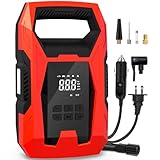
CARSUN AC/DC Tire Inflator Portable Air Compressor, Dual Power for Home 110V AC and Car 12V DC Air Pump with Pressure Gauge, Auto Shutoff, Tire Pump for Car Motorcycle Bike and Other Inflatables, Red
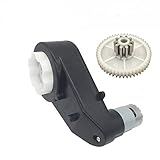
weelye 12V550 40000RPM Gearbox with High Torque 12V DC Motor for Kids Ride on Car SUV Parts, Electric Motor with Gear Box High Speed RS550 DC Motor Match Children Ride on Toys Accessories
Top Battery Types for Great Wall Motors (What to Choose & Why)
| Type | Best For | Pros | Cons | Typical Price | Shop |
|---|---|---|---|---|---|
| Flooded (Lead‑Acid) | Older GWM/Wingle without start‑stop | Lowest price; widely available | Lower cycle life; weaker for short‑trip driving | $110–$200 | 55D23L options |
| EFB (Enhanced Flooded) | Start‑stop Havals/Jolion/H6; city driving | Better cycle life & RC than flooded; OE on many start‑stop cars | More expensive than flooded | $160–$260 | EFB 55D23L |
| AGM (Absorbent Glass Mat) | Electronics‑heavy trims, cold climates, off‑road vibration | High CCA; great charge acceptance; spill‑proof; vibration‑resistant | Highest price; needs correct charging profile | $200–$380 | AGM Group 48/H6 |
GWM / Haval Model‑Specific Buying Tips
- Haval H6 (incl. many global trims): Many markets use DIN H6/LN3 (Group 48), often EFB or AGM for start‑stop. Verify tray and hold‑down. ~$190–$350. Shop Group 48/H6 AGM.
- Haval Jolion / H2: Commonly JIS 55D23L (EFB if start‑stop). ~$150–$260. 55D23L EFB.
- Haval H9 / Tank 300: Larger capacity recommended; trays may accept N70 (JIS) or H7/LN4 (Group 94R), AGM preferred for accessories and corrugations. ~$220–$380. 94R/H7 AGM or N70 heavy‑duty.
- Poer / Cannon (pickup): Work use and winches benefit from higher RC. Check for N70 or H7 fit. Consider dual‑battery setups if running fridges/camp gear. Shop N70.
- Wingle / Steed (older pickups): Frequently JIS 55D23L or N50/N70 in heavy‑duty markets. Off‑road = lean AGM. 55D23L choices.
- Voleex C30 / City runabouts: Smaller trays; look for compact JIS sizes with adequate CCA (e.g., 46B24L / regional equivalent). 46B24L EFB.
- ORA Good Cat/Funky Cat (EV): The 12‑V auxiliary supports ECUs and locks; replacing with EFB/AGM is recommended. Always keep the traction pack awake/”ready” per manual during replacement. Aux AGM.
GWM Battery Fitment Cheat Sheet (Most‑Common Sizes)
| Model | Years | Common Size (BCI/JIS/DIN) | Tech | Notes & Searches |
|---|---|---|---|---|
| Haval H6 | ~2017–present | H6/LN3 (Group 48) | EFB/AGM | Group 48 AGM – check height/hold‑down |
| Haval Jolion, H2 | ~2015–present | 55D23L (JIS) | Flooded/EFB | 55D23L EFB for start‑stop |
| Haval H9 / Tank 300 | ~2015–present | N70 (JIS) or H7/LN4 (94R) | AGM preferred | 94R/H7 AGM or N70 |
| Poer / Cannon (pickup) | ~2020–present | N70 or H7/LN4 | EFB/AGM | N70 heavy‑duty |
| Wingle / Steed (older) | ~2008–2018 | 55D23L / N50–N70 | Flooded/AGM | 55D23L picks |
| Voleex C30 & small hatches | varies | 46B24L / regional | EFB/Flooded | 46B24L EFB |
| ORA Good Cat/Funky Cat (EV) | ~2020–present | 12‑V Aux (compact) | EFB/AGM | Aux AGM – follow EV procedure |
Spec Targets: CCA, RC, and Warranty
CCA: Cold Cranking Amps RC: Reserve Capacity Tech: Flooded / EFB / AGM
- CCA: Meet or exceed OE CCA. Cold climates benefit from +50–100 CCA above minimum.
- RC: More RC = longer support for lights/HVAC/winches when idling or engine off.
- Technology: If your GWM came with EFB/AGM, do not downgrade.
- Warranty: Target 24–36 months free replacement (or regional equivalent).
- Terminal layout: Many JIS sizes are Left‑positive (L). Verify L/R before buying.
Best Car Battery Brands for GWM & Where‑to‑Buy
| Brand | Strengths | Good For | Shop Links |
|---|---|---|---|
| Odyssey / NorthStar‑type AGM | Very high CCA, deep‑cycle tolerance | 4×4, accessories, winches | Group 94R/H7 AGM |
| Exide / Varta (AGM/EFB) | OE supplier pedigree | Start‑stop Havals/Jolion/H6 | EFB choices |
| ACDelco / Bosch | Broad fitment, good warranties | Daily drivers | Group 48 AGM |
| Century / Amaron (regional) | Hot‑climate durability | Australia/Asia markets | N70 heavy‑duty |
- Amazon: Wide selection, easy returns. Compare best‑selling batteries.
- Local parts stores/workshops: Same‑day fitment/testing; core return handled for you.
- 4×4 specialists: Great for dual‑battery systems, trays, isolators, winch wiring.
How to Check Freshness & Authenticity
- Date code: Choose stock with build date within the last 3–6 months.
- Seals & labels: Look for intact vent caps, clean terminals, and hologram/QR where applicable.
- Voltage check: Healthy new AGM/EFB typically reads ~12.6–12.9 V at rest.
- Buy trusted sellers: Prefer authorized sellers with clear return/warranty policy.
Car Battery Warranty Tips
- Keep your receipt and record the installation date/odometer.
- Follow maintenance/charging guidance (especially for AGM/EFB) to avoid claim denials.
- Check free replacement vs pro‑rated terms; aim for 24–36 months free replacement.

ACDelco Gold 48AGM (88864541) 36 Month Warranty AGM BCI Group 48 Battery
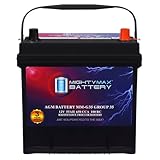
Mighty Max Battery MM-G35 Start and Stop Car BCI Group Size 35 12V 55Ah, 100RC, 650 CCA Rechargeable AGM Car Battery

ACDelco Gold 94RAGM (88864542) 36 Month Warranty AGM BCI Group 94R Battery
GWM Car Battery Installation Guide (DIY or Shop)
- Preserve memory: connect a 12‑V memory saver if available (helps keep radio presets/ECU adaptations).
- Switch off vehicle, remove key, open hood. Wear eye protection.
- Identify terminals. Negative off first, then positive. Remove hold‑down/clamps.
- Lift out battery safely (AGM can be heavy). Inspect tray for corrosion, clean and dry.
- Compare new battery: size, terminal orientation (L/R), venting (fit tube if required), and technology (EFB/AGM as OE).
- Install new battery. Refit hold‑down so the case cannot move but do not over‑torque.
- Reconnect positive first, then negative. Tighten to spec; smear a light anti‑corrosion grease if desired.
- Start vehicle and check for warnings. For start‑stop models, use a scan tool or battery registration procedure if required.
- Dispose/recycle the old unit properly (core return).
Charger Use, Maintenance & Longevity
- Short trips? Top up monthly with a smart charger (AGM/EFB‑safe). See smart chargers.
- Keep it clean: Tight terminals, no green/white corrosion. Use dielectric grease sparingly.
- Voltage habits: Avoid deep discharges. Anything under ~12.2 V at rest – recharge soon.
- Accessories: Winches/fridges? Consider dual‑battery setups with isolators. Dual‑battery kits.
Signs You Need a New Battery
- Slow cranking, dim cluster at start.
- Start‑stop disabled frequently, battery warnings in cluster.
- Resting voltage below ~12.2 V after sitting overnight.
- Case swelling, leaks, rotten‑egg smell (replace immediately).

YONHAN Battery Charger 10-Amp 12V and 24V Fully-Automatic Smart Car Battery Charger, Battery Maintainer Trickle Charger, and Battery Desulfator with Temperature Compensation

EZRED BMK1914 5-Piece Battery Maintenance Kit

2-Pack Smart Fully Automatic 6V 12V Battery Charger Maintainer for Car, Marine, Motorcycle, Lawn Mower
Contact Great Wall Motors Customer Service & Support
- GWM Global – brand info & regional links
- Service & Maintenance
- Haval · ORA · TANK
- Use your regional GWM/Haval site’s Dealer Locator for fitment confirmation and battery registration.
- Check your owner’s manual (PDF) for exact size, technology, and registration procedure.
Great Wall Motors Car Battery FAQs
What battery type does Great Wall Motors (Haval, Wingle/Steed, Poer, Jolion, H6) typically use?
Most non–start-stop trims use quality Flooded/Lead-Acid; start-stop and higher-spec models usually require EFB (Enhanced Flooded) or AGM (Absorbent Glass Mat). Always match or upgrade the technology—do not downgrade from AGM/EFB to standard flooded.
How do I find the correct battery size for my Great Wall vehicle?
Check the owner’s manual, the existing battery label, or a VIN-based fitment guide. Common European/DIN sizes include 096/L3 and H6/H7 for larger engines, but verify dimensions, terminal layout, and hold-down style before buying.
Can I upgrade from EFB to AGM in a start-stop Great Wall model?
Yes—AGM is generally an approved upgrade for start-stop systems and heavy accessory loads, provided the battery is correctly registered in vehicles that require it.
Do Great Wall vehicles need battery registration after replacement?
Some newer models with smart charging or start-stop benefit from battery registration (via scan tool) so the charging profile resets and system warnings are avoided.
How long should a Great Wall Motors car battery last?
Typically 3–5 years. Expect the shorter end with frequent short trips, extreme heat/cold, or heavy electrical use; longer lifespans are possible with regular highway driving and periodic maintenance charging.
How much is a Great Wall Motors car battery?
Approximate ranges: Flooded $90–$180, EFB $140–$260, AGM $180–$360. Larger cases (H7/H8) and premium brands trend higher.
What CCA (Cold Cranking Amps) should I aim for?
Meet or exceed the factory CCA rating. In cold climates, choosing a battery with 50–100 CCA above the original spec can improve winter starting performance.
What are signs my Great Wall battery is failing?
Slow cranking, dimming lights or infotainment resets, intermittent start-stop operation, warning messages, or resting voltage repeatedly below ~12.4V even after long drives.
Can I use a trickle/maintenance charger on my Great Wall battery?
Yes—use a modern smart charger compatible with AGM/EFB if fitted. This is helpful for vehicles driven infrequently or mostly on short trips.
Any installation tips specific to Great Wall models?
Preserve settings with a memory saver if available, disconnect negative first then positive, check/transfer any vent tube, secure the hold-down to spec, reconnect positive first then negative, and perform battery registration if the model requires it.
Bottom line:
Match the original technology (EFB/AGM), meet or exceed OE CCA/RC, and choose the correct case size/terminal layout. For most Haval H6/Jolion daily drivers, an EFB (or AGM upgrade) in the common 55D23L or H6/LN3 (Group 48) sizes is the safe bet; 4x4s like Tank/H9 and Poer benefit from higher‑capacity H7/94R or N70 – ideally AGM. Shop reputable brands, check date codes, and register the battery on start‑stop models for the longest life.