Mahindra’s modern SUVs (Thar, Scorpio-N, XUV700, XUV300, Bolero Neo, etc.) put real load on their batteries thanks to start‑stop systems, infotainment, and accessories. Picking the right tech (Flooded vs. EFB vs. AGM), case size (DIN/JIS/BCI group), and specs (CCA/RC) means reliable starts, fewer warning lights, and longer life in India’s heat, humidity, and traffic. Below you’ll find quick picks by use case, a model‑by‑model cheat sheet, spec targets, and maintenance tips—plus handy Amazon searches such as DIN74 AGM, DIN60 EFB, and Group 51R AGM.
Table of Contents
- Quick Picks for Mahindra Owners (By Use Case)
- Top Battery Types for Mahindras (What to Choose & Why)
- Mahindra Model‑Specific Buying Tips
- Mahindra Battery Fitment Cheat Sheet (Most‑Common Sizes)
- Spec Targets: CCA, RC, and Warranty
- Best Car Battery Brands for Mahindra & Where‑to‑Buy
- Mahindra Car Battery Installation Guide (DIY or Shop)
- Mahindra Car Battery Maintenance & Longevity
- Contact Mahindra Customer Service & Support
- Mahindra Car Battery FAQs
Quick Picks for Mahindra Owners (By Use Case)
- Daily driver, older Mahindra without start‑stop (e.g., early Bolero, Scorpio Classic): Quality Flooded/Lead‑Acid or EFB with good Reserve Capacity. Browse DIN60 and DIN65. ~$100–$200 (Flooded), $150–$250 (EFB)
- Newer Mahindra with start‑stop (ISS)—e.g., Thar (2020+), Scorpio‑N, XUV700, XUV300: EFB (good) or AGM (best). Do not downgrade to standard flooded. See DIN74 AGM and DIN60 EFB. ~$160–$350
- Accessory‑heavy builds / off‑road (winch, lights, fridge): Prefer AGM for vibration resistance and deep‑cycle tolerance; consider dual‑battery or higher RC. AGM deep‑cycle picks. ~$220–$400
- Hot climate & city traffic: EFB/AGM with higher RC and heat‑resistant alloys. Compare EFB.
- Cold‑weather travel: Prioritize CCA; AGM typically cranks stronger in the cold. High‑CCA AGM.
Daakmax Platinum AGM Car Battery Group Size 47 H5, 12V 60Ah, 680 CCA, 100 RC, Rechargeable Start-Stop Automotive Battery with 36-Month Warranty
![Mighty Max Battery MM-H4L Start and Stop Car BCI Group Size 140 Positive Terminal on Left Side [+ -] 12V 50 AH, 80RC, 570 CCA Rechargeable AGM Car Battery](https://m.media-amazon.com/images/I/41Tk24NKjsL._SL160_.jpg)
Mighty Max Battery MM-H4L Start and Stop Car BCI Group Size 140 Positive Terminal on Left Side [+ -] 12V 50 AH, 80RC, 570 CCA Rechargeable AGM Car Battery

OPTIMA® Batteries High Performance 75/25 REDTOP® Sealed AGM Car, Truck, and SUV Starting Battery, 720 CCA, Dual SAE and GM Terminals, Maintenance Free, Versatile Mounting
Top Battery Types for Mahindras (What to Choose & Why)
| Type | Best For | Why It Works | Typical Size for Mahindra | Approx. Price | Shop |
|---|---|---|---|---|---|
| Flooded Lead‑Acid | Older/non‑ISS models, budget replacements | Proven and economical; adequate for basic electrical loads | DIN60 / DIN65 | $100–$200 | DIN60 picks |
| EFB (Enhanced Flooded) | Start‑stop SUVs that came with EFB from factory | Improved charge acceptance & cycle life for ISS traffic | DIN60 / DIN65 / DIN74 | $150–$280 | Shop EFB |
| AGM (Absorbent Glass Mat) | ISS, accessory‑heavy, frequent short trips, rough roads | High CCA, vibration‑resistant, charges fast, sealed/low‑spill | DIN65 / DIN74 / Group 35/51R (some markets) | $220–$400 | AGM DIN74 |
Mahindra Model‑Specific Buying Tips
- Thar (2020+): Many trims feature start‑stop—choose EFB or upgrade to AGM. Typical case: DIN65/DIN74. Budget ~₹10k–₹18k in India or $160–$320.
- Scorpio‑N / Scorpio Classic: Popular with ISS; choose DINV‑spec EFB/AGM (often DIN74). Budget ~₹9k–₹18k ($150–$300). Compare DIN74 AGM.
- XUV700: High electrical load + ISS. Pick EFB (OE‑like) or AGM (premium). Typical: DIN74. Budget ~₹10k–₹20k.
- XUV300 / XUV3XO: Compact ISS systems benefit from EFB. Typical: DIN60. Budget ~₹8k–₹14k. See DIN60 EFB.
- Bolero / Bolero Neo (TUV300): Older platforms without ISS often use DIN60–DIN65 Flooded/EFB. Budget ~₹7k–₹12k.
- XUV500 (discontinued, many on road): Usually DIN74; choose EFB/AGM if equipped with ISS. Budget ~₹9k–₹16k.
- Marazzo: People‑mover loads favor DIN60–DIN65 EFB. Budget ~₹8k–₹14k.
Mahindra Battery Fitment Cheat Sheet (Most‑Common Sizes)
| Model | Common Case Size | Tech (OE) | Notes | Shop |
|---|---|---|---|---|
| Thar (2020+) | DIN65 / DIN74 | EFB on ISS trims | AGM upgrade for off‑road & accessories | DIN65 AGM |
| Scorpio‑N | DIN74 | EFB/AGM (ISS) | High CCA helps for diesel cranking | DIN74 EFB |
| Scorpio Classic | DIN65 / DIN74 | Flooded/EFB (varies) | Check terminal orientation | DIN65 options |
| XUV700 | DIN74 | EFB/AGM | Electronics‑heavy; avoid downgrades | DIN74 AGM |
| XUV300 / XUV3XO | DIN60 | EFB | City use favors higher RC | DIN60 EFB |
| Bolero / Bolero Neo | DIN60 / DIN65 | Flooded/EFB | Simpler electricals; value‑focused | DIN60 store |
| Marazzo | DIN60 / DIN65 | EFB (many) | People‑mover—prefer higher RC | DIN65 EFB |
| XUV500 | DIN74 | EFB/AGM (varies) | Verify ISS presence before choosing | DIN74 store |
Spec Targets: CCA, RC, and Warranty
RC: Reserve Capacity
Tech: Flooded / EFB / AGM
- CCA: Meet or exceed OE CCA. In colder regions or hill stations, add +50–100 CCA.
- RC: More RC = longer support for AC, lights, and audio in traffic or with engine off.
- Technology: If OE was EFB/AGM (ISS), don’t downgrade. Upgrading EFB → AGM is fine.
- Warranty: Target 36+ months free replacement (or regional equivalent) from a recognized brand.
- Terminal orientation & hold‑down: DIN cases vary; confirm polarity and clamp type before purchase.
Best Car Battery Brands for Mahindra & Where‑to‑Buy
| Brand | Why It’s Good | Typical Tech | Where to Shop |
|---|---|---|---|
| Amaron | Strong presence in India; good ISS‑rated EFB/AGM lines | Flooded, EFB, AGM | Amaron DIN74 |
| Exide | Wide service network; value‑to‑premium range | Flooded, EFB, AGM | Exide EFB |
| Bosch | European DIN sizes; robust AGM options | EFB, AGM | Bosch AGM |
| ACDelco / Varta (select markets) | Strong OE pedigree, good ISS support | EFB, AGM | Varta AGM |
- Where to buy: Authorized Mahindra workshops, reputable local battery shops with doorstep install, or trusted online marketplaces.
- Pros/cons: Dealer install = proper coding/registration for ISS (if needed) and warranty handling; local shops = faster + cheaper; online = selection, but verify seller ratings and manufacturing date.
How to Check Freshness & Authenticity
- Look for manufacture code (month/year) on the top/label. Prefer stock < 3 months old.
- Authenticate via brand SMS/app/QR when available; keep a photo of the code + invoice.
- Terminals and vents should be clean, caps sealed, case unscratched; avoid re‑boxed or “refurb” units for ISS vehicles.
Car Battery Warranty Tips
- Understand free replacement vs. pro‑rata periods; keep original bill and fitment record.
- Many brands require in‑warranty charging system test reports—ask the installer to print or stamp.
- Avoid accessories that bypass the IBS (intelligent battery sensor) or cause parasitic drain; claims can be denied.

ACDelco Gold 48AGM (88864541) 36 Month Warranty AGM BCI Group 48 Battery
Mighty Max Battery MM-G35 Start and Stop Car BCI Group Size 35 12V 55Ah, 100RC, 650 CCA Rechargeable AGM Car battery

Mighty Max Battery MM-H6 Start and Stop Car BCI Group Size 48 12V 70 AH, 120RC, 760 CCA Rechargeable AGM Car Battery
Mahindra Car Battery Installation Guide (DIY or Shop)
- Save settings: keep windows up, note radio presets; connect a memory saver if you have one.
- Switch off ignition, remove key, open hood. Wear eye protection and gloves.
- Identify polarity and IBS sensor if present (often on the negative cable). Don’t strike or twist the sensor.
- Disconnect negative (–) first, then positive (+). Loosen the hold‑down/clamp.
- Lift battery straight up; DIN cases are heavy—use the handle. Clean tray and terminals; add anti‑corrosion spray.
- Drop in new battery (correct orientation). Tighten hold‑down to spec so the case can’t move off‑road.
- Reconnect positive (+) first, then negative (–). Torque terminal nuts—no over‑tightening.
- If your model requires it, perform battery registration/reset with a scan tool so ISS and SOC readings are correct.
- Start engine; check for warnings (ISS, ABS, steering). Drive 15–20 minutes to normalize SOC.
Mahindra Car Battery Maintenance & Longevity
- Monthly: Inspect terminals for white/green corrosion; clean and protect.
- Quarterly: Test voltage after rest (>12.5V ideal) and cranking performance; slow‑charge if repeatedly doing short trips.
- ISS vehicles: Ensure alternator‑charging strategy is updated at service; weak batteries may disable ISS first.
- Off‑road/overlanding: Secure clamps, add terminal boots, and consider a DC‑DC charger if running a fridge/winch.
Signs You Need a New Battery
- Slow crank, dim cluster, or intermittent start‑stop operation disabled.
- Battery case bulge or acid smell (overheat). Replace immediately.
- Resting voltage <12.2V after full charge or repeated jump‑starts.

LotFancy Battery Terminal Cleaners (2 pcs), Plus 12 pcs Battery Terminal Anti-Corrosion Fiber Washers (6 Red & 6 Green) for Car Marine RV
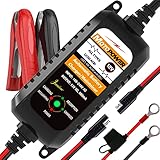
MOTOPOWER MP00205A 12V 800mA Automatic Battery Charger, Maintainer, Trickle and Desulfator

YONHAN Battery Charger 10-Amp 12V and 24V Fully-Automatic Smart Car Battery Charger, Battery Maintainer Trickle Charger, and Battery Desulfator with Temperature Compensation
Contact Mahindra Customer Service & Support
Customer Care: auto.mahindra.com/contact-us
Dealer/Service Locator: auto.mahindra.com/dealer-locator
Mahindra Owner’s Manuals (India): With You Hamesha
Global TIS Manuals: mahindra-tis.com
Mahindra Car Battery FAQs
How long should a Mahindra car battery last?
Most Mahindra vehicles see 3–5 years on standard flooded batteries and 4–6 years on EFB/AGM when driven regularly. Heat, short trips, and heavy accessories can shorten life.
How much is a Mahindra car battery?
Typical street pricing in India: ₹5,000–₹9,000 for quality flooded batteries and ₹8,500–₹18,000 for EFB/AGM (start‑stop capable), excluding installation/coding where applicable.
Which battery type does my Mahindra need—Flooded, EFB, or AGM?
Non–start‑stop models usually use flooded (or EFB as an upgrade). Start‑stop trims should use EFB (good) or AGM (best). Avoid downgrading from the OE technology.
Do Mahindra start‑stop systems require battery coding or registration?
Many newer Mahindras with an Intelligent Battery Sensor (IBS) benefit from BMS reset/coding after replacement to ensure correct charging and start‑stop operation.
What battery size fits popular Mahindra models?
Common sizes include DIN/EN LN2 (60Ah) and LN3 (70Ah); some diesels and feature‑rich SUVs may require LN4 (80Ah). Always confirm by VIN/owner’s manual and measure the tray.
What are signs my Mahindra needs a new battery?
Slow cranking, dim headlights at idle, intermittent start‑stop, repeated jump starts, or a poor conductance/load‑test score are typical warning signs.
Can I upgrade from EFB to AGM in my Mahindra?
Yes—AGM is a valid upgrade and offers better cycle life/charge acceptance. Ensure it physically fits, matches polarity/hold‑down, and perform BMS adaptation where applicable.
Will a higher Ah or CCA battery harm my vehicle?
Going slightly higher within the same physical size is fine and may improve cold starts. Never change voltage or terminal layout; secure the hold‑down properly.
How do I maximize battery life in hot climates?
Keep terminals clean/tight, avoid frequent short trips, use a smart charger if parked for weeks, and inspect charging voltage; heat accelerates degradation.
Can I jump‑start my Mahindra safely?
Yes. Follow the owner’s manual: connect positive to positive, negative to a solid engine/chassis ground, start the donor, then your vehicle, and remove leads in reverse order.
ACDelco Gold 48AGM (88864541) 36 Month Warranty AGM BCI Group 48 Battery
Mighty Max Battery MM-G35 Start and Stop Car BCI Group Size 35 12V 55Ah, 100RC, 650 CCA Rechargeable AGM Car battery