
Whether you daily a Formentor VZ, run a family Leon e‑Hybrid, or pilot a Born EV, the right 12V battery keeps start‑stop smooth, electronics stable, and errors off the dash. Below you’ll find quick picks, model‑specific tips, a fitment cheat sheet, installation steps, and maintenance advice. When you’re ready to browse, compare H5/L2 AGM, H6/L3 AGM, H7/L4 AGM, and EFB start‑stop options.
Table of Contents
- Quick Picks for Cupra Owners (By Use Case)
- Top Battery Types for Cupras (What to Choose & Why)
- Cupra Model-Specific Buying Tips
- Cupra Battery Fitment Cheat Sheet (Most-Common Sizes)
- Spec Targets: CCA, RC, and Warranty
- Best Car Battery Brands for Cupra & Where-to-Buy
- Cupra Car Battery Installation Guide (DIY or Shop)
- Cupra Car Battery Maintenance & Longevity
- Contact Cupra Customer Service & Support
- Cupra Car Battery FAQs
Quick Picks for Cupra Owners (By Use Case)
- Formentor (petrol/diesel, with start‑stop): AGM first choice; EFB acceptable on base trims. Try H6/L3 AGM. ~$220–$320 / €200–€300
- Leon & Leon ST (MQB/MQB‑Evo): EFB (good) or AGM (best). Many trims suit H5/L2 AGM or H6/L3 AGM. ~$180–$320 / €170–€300
- Ateca (Cupra): Generally benefits from H6/L3 AGM. ~$220–$320 / €200–€300
- Born EV (12V auxiliary): Use compact AGM (often H5/L2). Browse H5/L2 AGM. ~$170–$260 / €160–€240
- Tavascan EV (12V auxiliary): AGM only; check size before ordering. Start with AGM best sellers. ~$200–$320 / €190–€300
- Short trips, lots of electronics: Prioritize AGM for better charge acceptance & vibration resistance. See AGM options. ~$200–$350
- Hot climate daily driver: Higher RC and heat‑tolerant construction (EFB/AGM). Compare EFB.
- Cold climate: Prioritize strong CCA; AGM typically excels. High‑CCA AGM picks.
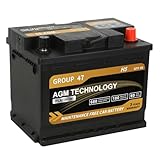
Daakmax Platinum AGM Car Battery Group Size 47 H5, 12V 60Ah, 680 CCA, 100 RC, Rechargeable Start-Stop Automotive Battery with 36-Month Warranty
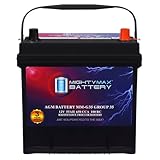
Mighty Max Battery MM-G35 Start and Stop Car BCI Group Size 35 12V 55Ah, 100RC, 650 CCA Rechargeable AGM Car battery

Mighty Max Battery MM-H6 Start and Stop Car BCI Group Size 48 12V 70 AH, 120RC, 760 CCA Rechargeable AGM Car Battery
Top Battery Types for Cupras (What to Choose & Why)
| Type | Best For | Pros | Trade‑offs | Typical Price |
|---|---|---|---|---|
| EFB (Enhanced Flooded) | Start‑stop on mainstream trims (Leon/Formentor) | Good cycle life vs flooded, cost‑effective | Less robust than AGM for heavy electronics | $160–$250 / €150–€240 — Shop EFB |
| AGM (Absorbent Glass Mat) | Premium trims, short trips, high loads, EV 12V | Excellent charge acceptance, vibration/heat resistance, sealed | Higher price; needs smart charging | $200–$350 / €190–€330 — Browse AGM |
| Flooded/Lead‑acid | Older non‑start‑stop cars | Lowest cost, widely available | Not suitable for modern start‑stop; lower cycle life | $100–$180 / €95–€170 — See options |
Cupra Model-Specific Buying Tips
- Formentor (all engines): Start‑stop means EFB minimum; AGM preferred on VZ/VZ5 or if you run short trips. Expect $220–$320 / €200–€300.
- Leon / Leon Sportstourer: Many trims accept H5/L2 or H6/L3 footprints. Don’t downgrade from OE AGM/EFB to flooded. $180–$320 / €170–€300.
- Ateca (Cupra): Typically H6/L3 AGM; check battery code in the tray sticker and confirm polarity height (B13).
- Born (EV): The 12V auxiliary is critical for wake‑up and safety systems; use AGM of the correct footprint (often H5/L2). Avoid cheap flooded replacements.
- Tavascan (EV): AGM auxiliary only. Verify height and venting orientation before purchase.
- Older Cupra (Ibiza/Leon FR/Cupra trims): Non‑start‑stop cars can run quality flooded, but EFB is a worthwhile upgrade if you’ve added audio or dash cams.
Cupra Battery Fitment Cheat Sheet (Most-Common Sizes)
| Model | Years | Common Size (EU DIN) | Tech | Notes |
|---|---|---|---|---|
| Formentor | 2021–present | H6/L3 (70–80Ah) | EFB or AGM | Higher‑spec/VZ often AGM; check tray label and B13 height. |
| Leon / Leon ST (Mk3/Mk4) | 2013–present | H5/L2 (60Ah) or H6/L3 (70Ah) | EFB or AGM | MQB/MQB‑Evo vary by engine; verify polarity. |
| Ateca (Cupra) | 2018–present | H6/L3 (70–80Ah) | AGM preferred | Start‑stop heavy use → AGM. |
| Born (EV) | 2021–present | H5/L2 (≈60Ah) | AGM only | 12V supports ECUs; avoid flooded. |
| Tavascan (EV) | 2024–present | Check handbook; commonly compact AGM | AGM only | Confirm with VIN/build sheet. |
Spec Targets: CCA, RC, and Warranty
RC: Reserve Capacity
Tech: Flooded / EFB / AGM
- CCA: Meet or exceed OE. Cold winters? Aim +50–100 CCA.
- RC: More RC helps with lights, HVAC, audio, and dash cams during short hops.
- Technology: If OE is EFB/AGM (start‑stop), do not downgrade to flooded.
- Warranty: Target 36+ months free replacement (region permitting).
- Dimensions: EU codes H5/H6/H7 map to L2/L3/L4 footprints; confirm height class (e.g., B13).
Best Car Battery Brands for Cupra & Where‑to‑Buy
| Brand | Known For | Good Picks | Shop |
|---|---|---|---|
| Varta / Bosch | Strong OE presence in Europe | AGM Silver Dynamic, EFB Blue | Varta H6 AGM · Bosch H7 AGM |
| Exide | AGM/EFB range with good RC | Exide EK700/EK800 (AGM) | Shop Exide AGM |
| Yuasa | Reliable cycles; motorsport heritage | G8/VG series AGM | Yuasa AGM |
| Odyssey / Optima | Premium AGM, high CCA | Odyssey Performance, Optima YellowTop | Odyssey AGM · Optima H6 |
- Where to buy: Amazon (selection & reviews), battery specialists, local parts stores, CUPRA dealers, and mobile fitters.
- Pros/cons: Online = choice/convenience; local = testing & same‑day; dealer = coding/support; mobile = on‑site fitment.
- Tip: If your car uses a battery monitor (IBS/BEM), pick a shop that can register/coding the new battery.
How to Check Freshness & Authenticity
- Decode the date stamp (e.g., H4 = Aug 2024). Fewer months on the shelf is better.
- Match labels: capacity (Ah), CCA, technology (EFB/AGM), footprint (H5/H6/H7), and height class.
- Packaging: intact caps/vents, no case swelling, terminals clean and protected.
- Open‑circuit voltage: 12.5–12.8V for a fresh AGM; request a test slip if buying in‑store.
Car Battery Warranty Tips
- Prefer 3‑year free replacement. Prorated periods are secondary.
- Keep the receipt and install/test printout; warranties often require proof of correct fitment and charging system health.
- Avoid deep discharges; they’re considered misuse and may void coverage.

ACDelco Gold 48AGM (88864541) 36 Month Warranty AGM BCI Group 48 Battery

ACDelco Gold 94RAGM (88864542) 36 Month Warranty AGM BCI Group 94R Battery

Renogy 12V 70Ah AGM Car Battery H6, Group 48 Start and Stop Automotive Battery with 720 CCA, 120RC, Reliable Power for Cars, SUVs, Trucks, and Marine Starting
Cupra Car Battery Installation Guide (DIY or Shop)
- Maintain memory: connect a memory saver (OBD or 12V socket) if available—helps retain window, radio, and driver‑assist settings.
- Ignition off, keys away, bonnet open. Wear eye/hand protection.
- Locate the battery (engine bay on most; Born/Tavascan auxiliary may be under covers). Remove covers and braces carefully.
- Disconnect negative (‑) first, then positive (+). Note any IBS/BMS sensor on the negative terminal.
- Remove hold‑down clamp; lift battery straight up. Watch for weight (H6/H7 are heavy).
- Clean tray, inspect cables, and add an anti‑corrosion pad if desired.
- Install the new battery with correct polarity and height (e.g., B13). Refit clamp to spec torque (snug, not overtight).
- Reconnect positive (+) first, then negative (‑); ensure IBS/BMS connector is seated.
- Code/register the battery if your Cupra supports it (scan tool or dealer). This resets charge strategy and avoids start‑stop faults.
- Start vehicle, check for warnings, and perform one key‑cycle. Relearn windows and steering angle if prompted.
Cupra Car Battery Maintenance & Longevity
- Use a smart charger (AGM‑compatible) monthly if you do short trips.
- Keep terminals tight/clean; inspect the IBS lead.
- Avoid deep discharges: disable start‑stop temporarily in stop‑and‑go if needed.
- Dash cams: use a low‑voltage cutoff or dedicated battery pack.
- Storage: maintain 12.6–12.8V; top up every 4–6 weeks.
Signs You Need a New Battery
- Slow crank, flickering cluster, start‑stop disabled messages.
- Frequent jump‑starts or voltage below 12.2V after rest.
- Sulfation signs: bulging case, rotten‑egg smell (stop use immediately).

LotFancy Battery Terminal Cleaners (2 pcs), Plus 12 pcs Battery Terminal Anti-Corrosion Fiber Washers (6 Red & 6 Green) for Car Marine RV
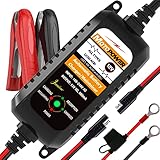
MOTOPOWER MP00205A 12V 800mA Automatic Battery Charger, Maintainer, Trickle and Desulfator
Contact Cupra Customer Service & Support
- Customer Support (global): Use the official support portal to find country‑specific contact details and assistance for digital/charging. CUPRA Customer Support
- Contact Form: Submit queries, feedback, or requests directly. CUPRA Contact Us
- Find a Retailer/Service: Book service or locate a CUPRA Specialist near you. Find a CUPRA Retailer
- Owner Manuals (example – Born): Download official handbooks. CUPRA Born Manual (PDF)
Cupra Car Battery FAQs
Do Cupra models need EFB or AGM batteries?
Most modern Cupra models with start-stop require EFB (minimum) or AGM (best). If your car came with AGM/EFB, do not downgrade to a standard flooded battery.
How long should a Cupra car battery last?
Typically 4–6 years for EFB/AGM in moderate climates. Short trips, high heat, and heavy accessory use can reduce life to 3–4 years; gentle highway use can extend it.
How much is a Cupra car battery?
Expect roughly $160–$260 for EFB (common LN2/LN3 sizes) and $220–$380 for AGM (LN3/LN4). Dealer coding/installation may add $40–$150 depending on region.
Do I need to code/register a new battery on a Cupra?
Many models with start-stop use a Battery Management System. Coding/registration ensures correct charging profiles and helps avoid start-stop or warning-light issues.
What battery sizes fit most Cupra models?
Common European sizes are LN2 (L2/H5) for compact models and LN3 (L3/H6) or LN4 (L4/H7) for larger/performance trims. Always confirm by VIN, manual, or measuring the tray.
Can I upgrade from EFB to AGM in my Cupra?
Yes—upgrading from EFB to AGM is generally safe and can improve durability and charge acceptance. Keep the same physical size and terminal orientation, and perform BMS coding.
What CCA should I choose for cold climates?
Meet or exceed the OE CCA; in colder regions, aim for +50–100 CCA above the minimum to improve cranking performance during winter starts.
Why did my Cupra’s start-stop stop working after a battery change?
Usually low state of charge, missing BMS coding/registration, or poor terminal connections. Fully charge the battery, check clamps/IBS connector, and complete coding.
Can I use a trickle/maintainer on a Cupra with AGM?
Yes—use a smart charger/maintainer explicitly compatible with AGM/EFB. Connect at the recommended jump posts, not directly to sensitive modules.
How do I know my Cupra battery is failing?
Look for slow cranking, intermittent start-stop, dim lights, and electrical glitches after startup. A conductance test or load test will confirm low state of health.
ACDelco Gold 48AGM (88864541) 36 Month Warranty AGM BCI Group 48 Battery
ACDelco Gold 94RAGM (88864542) 36 Month Warranty AGM BCI Group 94R Battery