If your Suzuki remote has started working only at close range, needs repeated button presses, or triggers a low key battery warning, the fix is usually simple: replace the battery inside the fob. Most Suzuki key fobs use a small 3V coin battery such as a CR2032, though some older or market-specific remotes may use CR2025, CR2016, or another coin cell depending on the fob style. This guide explains what battery a Suzuki key fob uses, how to identify the correct size, how to replace it safely, and when a battery swap is enough versus when you may need a whole new remote. If you also own a Suzuki and want to compare the vehicle battery side of maintenance, see this Suzuki guide as well.
Buy Key Fob Battery Replacement for Suzuki
Buying the right Suzuki key fob battery replacement starts with one simple rule: match the battery code already inside your remote. For many Suzuki smart keys and remote flip keys, the most common replacement is a CR2032 3V lithium coin cell, but some Suzuki remotes use CR2025, CR2016, or smaller batteries depending on the year, region, and key design. The safest approach is to open the fob, check the printed number on the old battery, and then order the same size. If you want to browse options first, you can compare Suzuki key fob battery replacements, including CR2032 replacements for Suzuki key fobs and CR2025 replacements for Suzuki key fobs.
- CR2032 replacement battery: This is the most common choice for many modern Suzuki keyless entry and push-button-start fobs, especially on models such as Swift, Vitara, Baleno, Jimny, and S-Cross in many markets. If your old battery says CR2032, shop CR2032 Suzuki remote battery options. Typical price: about $5 to $14 for a small multi-pack.
- CR2025 replacement battery: Some Suzuki flip keys and compact remotes use a thinner CR2025 cell instead of CR2032. Because CR2025 is thinner, it matters that you match the exact code rather than guessing based on fit. A quick way to compare is through CR2025 options that fit Suzuki key fobs. Typical price: about $5 to $12 for a multi-pack.
- CR2016 or smaller Suzuki remote batteries: Some older or market-specific Suzuki remotes may use CR2016, CR1620, CR1616, or similar small coin cells. If your original battery is one of these, replace it with the same number only. You can compare Suzuki remote CR2016 batteries before ordering. Typical price: about $4 to $10.
- Name-brand coin cells for better shelf life: If your Suzuki is a daily driver, it can be worth buying a name-brand battery such as Panasonic CR2032 or Energizer CR2025 rather than the cheapest no-name pack. Typical price: about $6 to $15 depending on brand and quantity.
- Suzuki fob shell plus battery kits: If your buttons are worn or the housing is cracked, some owners replace the shell and battery at the same time. Check Suzuki key fob shell and battery kits if the electronics still work but the outer case is failing. Typical price: about $10 to $25.

Lithdurcell Key Fob Battery Replacement for Suzuki Grand Vitara SX4 Sport Kizashi(4-Pack), DIY with Pry Tools, CR2032

CR2032 Key Fob Replacement Batteries - Universal Fit Car Key Battery 2 Pack

CR2032 Key Fob Battery Replacement (2 Pack)
Suzuki Key Fob Battery Replacement by Model
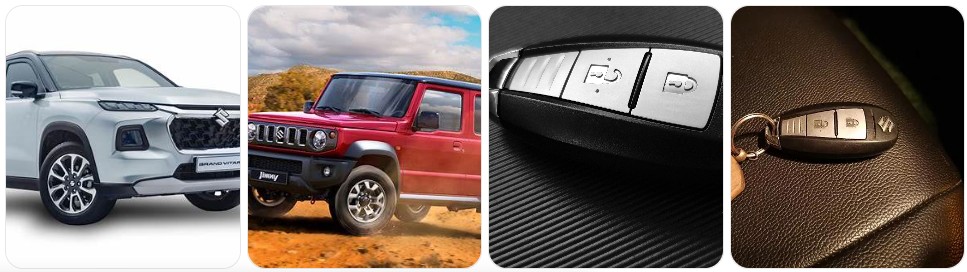
- Suzuki Swift key fob battery replacement: Many Suzuki Swift remotes use a CR2032 battery, especially common smart key and flip-key designs. Still, because Swift key styles vary by market and year, it is best to confirm by opening the fob and checking the old battery before ordering from Suzuki Swift battery listings.
- Suzuki Vitara key fob battery replacement: Vitara and Grand Vitara remotes commonly use CR2032 in many versions, but there are different remote housings depending on market and generation. Search Suzuki Vitara battery options if you want a few likely matches ready before you open the fob.
- Suzuki Jimny key fob battery replacement: Many Jimny remotes also use CR2032, and the battery change is usually quick once the emergency key or seam is exposed. If your Jimny fob has seen mud, dust, or outdoor use, inspect the case seal when replacing the battery.
- Suzuki Baleno key fob battery replacement: Baleno smart keys often fall into the same Suzuki remote family as Swift and Vitara, which means CR2032 is very common. Always confirm by checking the printed code on the old cell.
- Suzuki S-Cross key fob battery replacement: S-Cross and SX4 S-Cross remotes frequently use the same battery type as other Suzuki crossover smart keys. If you are ordering in advance, compare Suzuki S-Cross battery replacements.
- Suzuki Alto, Celerio, Wagon R, and small hatchback remotes: These can use different compact remote designs depending on country and production year. Some use CR2032, while others may use thinner or smaller coin cells. Matching the old battery number is especially important here.
- Suzuki Ertiga, XL6, APV, and Carry key fob battery replacement: Family and utility models often share Suzuki remote components across regions, so battery type may differ even when the fob looks similar. Compare the old battery code before buying a replacement in bulk.
To choose the right replacement key fob battery for Suzuki, focus on the exact battery code, the remote housing style, and the way the battery sits inside the holder. Suzuki uses several different key fob designs across global markets, so two remotes that look almost identical may still use different coin cells. The safest replacement is the same number printed on the original battery, from a quality brand with a fresh date code. If your case is also worn out, it can help to compare Suzuki replacement key fob shells at the same time so you can service the whole fob in one go.
How to Replace a Suzuki Key Fob Battery
- Gather the tools you need. You will need your Suzuki key fob, the correct replacement coin battery, and a small opening tool. The most useful items are a small flathead screwdriver, a precision screwdriver set, or plastic pry tools if you want to reduce the chance of marking the case.
- Remove the emergency key if your Suzuki fob has one. Many Suzuki smart keys include a small release switch that lets the metal emergency key slide out. Once removed, you can usually see the seam or slot where the case opens.
- Open the key fob carefully. Insert the flathead screwdriver or pry tool into the notch near the emergency-key slot or case seam. Twist gently until the case starts to separate. Do not pry too hard in one place because Suzuki fob clips can crack if forced.
- Separate the case halves slowly. Work around the edge until the two halves come apart. Be careful not to dislodge any rubber buttons, seals, or small internal pieces.
- Identify the battery type before removal. Look closely at the old battery and note the printed number, such as CR2032, CR2025, or another code. This is your final confirmation of the correct replacement.
- Remove the old battery gently. Lift it out using the edge of the screwdriver, a plastic tool, or your fingernail. Avoid bending the contact clips or scratching the circuit board.
- Install the new battery in the same orientation. Match the position of the old battery exactly, especially the positive (+) side. Installing the battery upside down is one of the most common reasons a Suzuki key fob still does not work after replacement.
- Check the contact points and rubber seal. Before closing the case, inspect the battery holder, contact tabs, and any rubber seal around the fob. If there is dust or debris, wipe it away gently with a dry cloth.
- Snap the key fob back together. Align both halves carefully and press them together until all clips click into place. Reinsert the emergency key if your Suzuki remote uses one.
- Test every function. Stand near the vehicle and test lock, unlock, panic, tailgate, and push-button-start recognition if equipped. If the Suzuki still does not respond, reopen the fob and check battery orientation, seating, and battery size.
Common Suzuki Key Fob Problems
- Suzuki key fob still does not work after battery replacement: The most common causes are the wrong battery number, upside-down installation, poor battery contact, or a weak low-quality replacement cell.
- Remote range is very short: If the fob only works when you are close to the car, the battery may be weak, old stock, or not seated correctly. A fresh CR2032 replacement battery or the correct equivalent often fixes this.
- Dashboard low key battery warning returns quickly: This can mean the battery is low quality, the wrong size was installed, or the fob has an internal problem that is draining the cell faster than normal.
- Buttons feel worn, sticky, or unresponsive: That may be a shell or rubber-pad issue rather than a battery problem. In many cases, a Suzuki key fob shell replacement can restore button feel without replacing the electronic board.
- The case will not close after installing the battery: This often happens when a thicker battery like CR2032 is installed in a fob designed for CR2025. If the housing does not close naturally, stop and confirm the original battery code.
- Push-button start recognition is intermittent: If your Suzuki only starts when the fob is held close to the start button, that is a classic sign of a weak key battery or poor contact inside the remote.
- The emergency key works but remote buttons do not: This usually points to a battery issue, damaged contacts, or a failed internal circuit rather than a mechanical lock problem.
Key Fob Keyless Entry Remote fits 2007-2009 Suzuki SX4 / 2006-2012 Grand Vitara (KBRTS005)
Keyecu Replacement Smart Remote Car Key Fob for Suzuki Swift 2005-2011 Grand Vitara SX4 2007-2013 KBRTS003 315MHz ID46 Chip 2Buttons

NEW GENUINE OEM SUZUKI LOGO WOVEN KEY CHAIN WHITE BLACK 990A0-19089-010
Battery Replacement vs New Key Fob for Suzuki
For most Suzuki owners, replacing the battery is the right first step. It is inexpensive, quick, and often restores full operation when the remote is otherwise in good condition. If the fob still locks and unlocks the vehicle occasionally, the range has dropped, or the instrument panel shows a low key battery warning, a fresh replacement battery for Suzuki key fobs is usually the best place to start.
A new Suzuki key fob makes more sense when the remote has broken buttons, water damage, failed electronics, or no response at all even after installing the correct new battery. If only the outer shell is cracked or worn, a replacement shell may be enough. But if you need a full electronic remote, keep in mind that many Suzuki fobs must be cut and programmed to the vehicle. In other words, replace the battery first, consider a shell if the case is worn, and move to a full replacement fob only if the remote itself is actually failing.
Suzuki Key Fob FAQ
What battery does a Suzuki key fob use?
Many Suzuki key fobs use a CR2032 3V lithium coin battery, but some remotes use CR2025, CR2016, or other coin-cell sizes depending on the key design and market. The best way to confirm is to open the fob and read the number printed on the old battery.
How do I know if my Suzuki key fob battery is dying?
Common warning signs include reduced remote range, needing to press buttons multiple times, intermittent push-button-start detection, or a low key battery warning on the dash.
Can I replace a Suzuki key fob battery myself?
Yes. In most cases, Suzuki key fob battery replacement is a simple DIY job that takes only a few minutes and requires the correct battery plus a small screwdriver or pry tool.
Will changing the battery erase my Suzuki key fob programming?
No, a normal battery replacement does not usually erase the programming. If the fob stops working after the battery swap, the issue is more likely battery orientation, poor seating, the wrong battery type, or a separate remote fault.
Can I use a CR2032 instead of a CR2025 in my Suzuki key fob?
Only if your Suzuki key fob was designed for CR2032. A CR2032 is thicker than a CR2025, so using the wrong battery can prevent the case from closing properly or lead to poor contact.
How long does a Suzuki key fob battery last?
Battery life varies by usage, climate, and battery quality, but many Suzuki key fob batteries last around two to four years before performance starts to drop.
What should I do if my Suzuki key fob still does not work after changing the battery?
Check that the new battery matches the old battery number, verify the positive side is facing the correct direction, and make sure the battery is seated firmly under the contact tabs. If it still does not work, the fob may need a shell repair, electronic repair, or replacement.
Do I need a new key fob or just a new battery for my Suzuki?
If the remote only has weak range or a low-battery warning, you likely just need a new battery. If the fob has broken buttons, internal damage, or no response even with the correct new battery, then a shell replacement or a full new key fob may be the better fix.